


Heroic Viticulture
Where the mountain becomes a vineyard
In Valtellina, vines don’t grow “the easy way.”
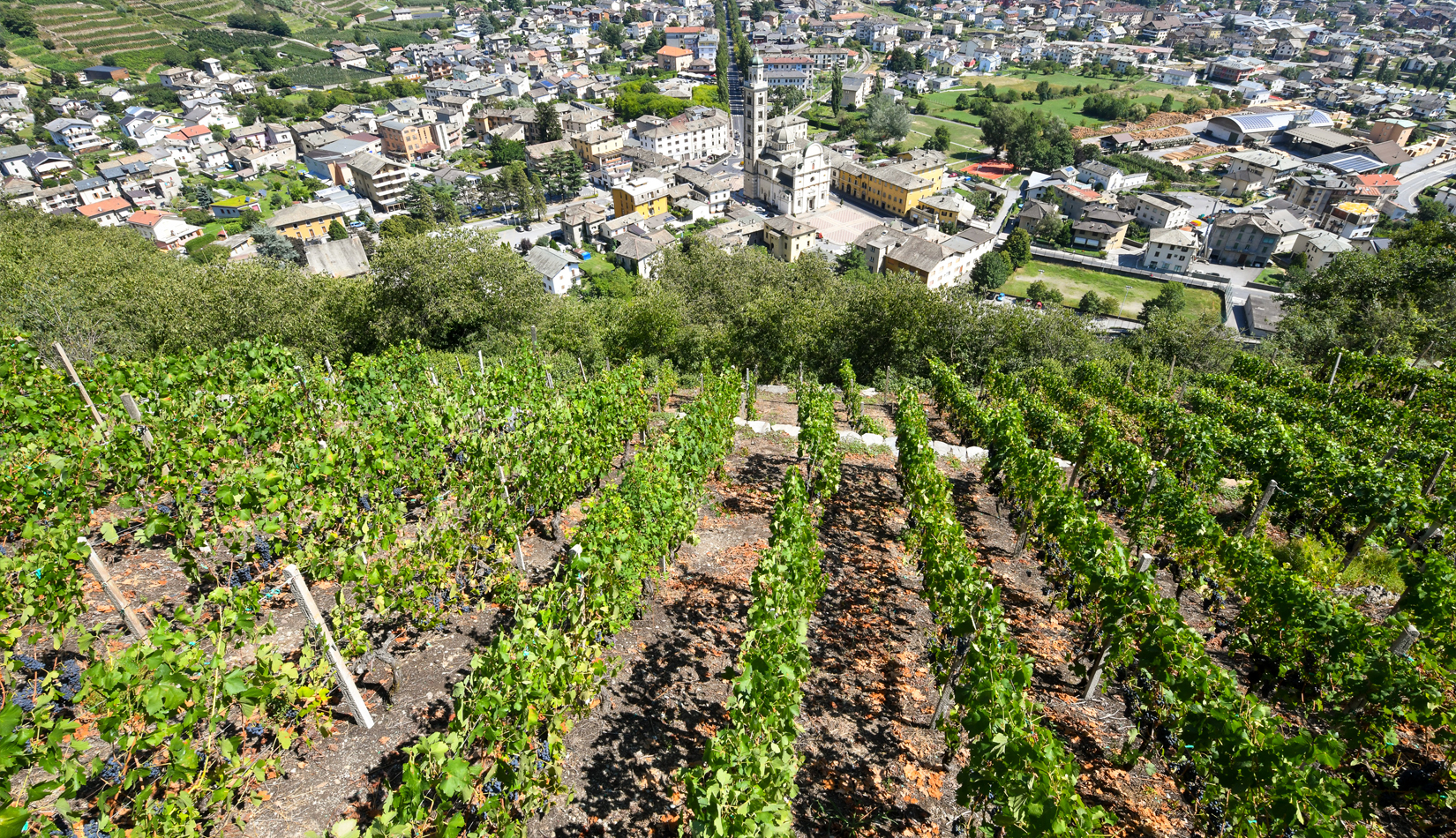
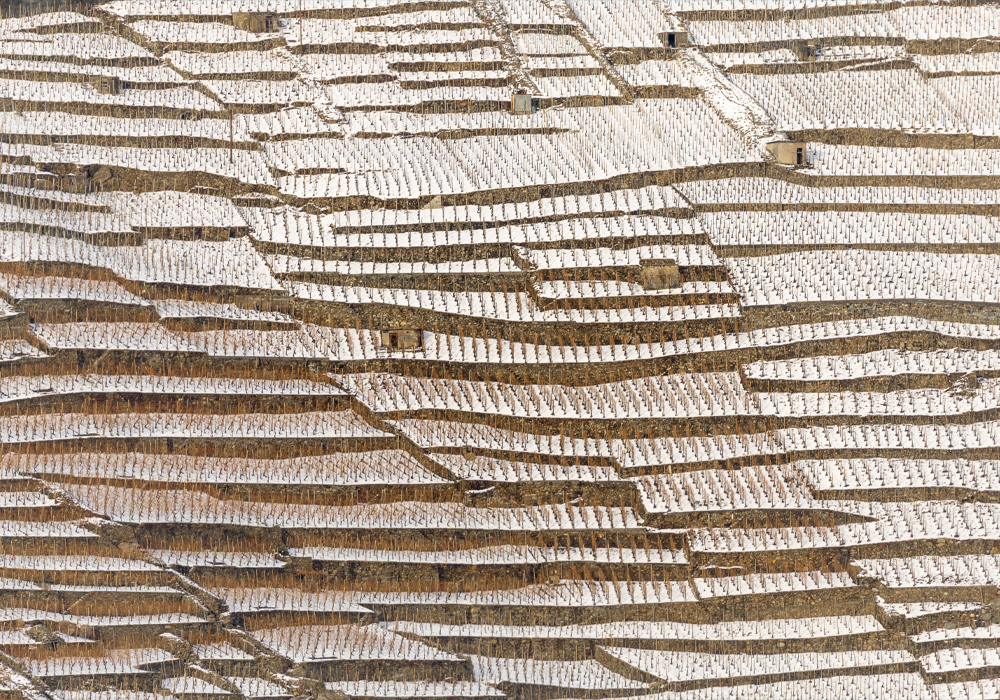
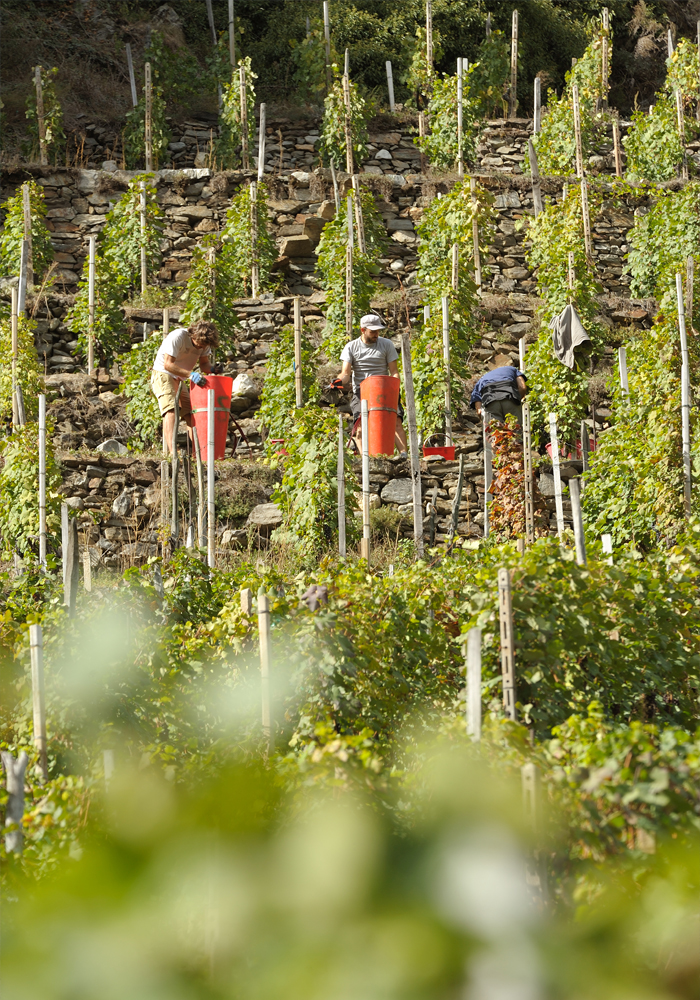
The vines climb steep slopes, supported by thousands of dry-stone walls, occupying land wrested from the rock over the centuries. The vineyards stretch across narrow, precipitous terraces, where the use of machinery is often difficult or impossible.
Winegrowers move through the rows on foot, tackling steep changes in elevation and carrying grapes and tools along paths and stone stairways. Every harvest demands time, experience, and dedication.
Where machines can go no further, footsteps, hands, and the wisdom of those who have chosen to tend these slopes remain.
This is why viticulture in Valtellina is known as heroic.
A centuries-old story
The earliest written records of viticulture in Valtellina date back to the 9th century.
Around the year 1000, monastic communities deepened the ancient bond between the valley and the vine. From the 14th century onward, terraces began to climb the slopes, slowly sculpting the landscape into the form we know today.
he mountain became a vineyard.
Since then, viticulture in Valtellina has become far more than an agricultural practice: it is an expression of identity, heritage, and belonging.
The dry-stone walls
They are far more than just stones.
Dry-stone walls support the terraces, hold the soil in place, guide the flow of water, and protect the slopes. Built without mortar, stone by stone, they are shaped through a craft that demands experience, precision, and a deep understanding of the land. Since 2018, the art of dry-stone walling has been recognised by UNESCO as Intangible Cultural Heritage of Humanity.
An ancient craft that still lives on in the Valtellina landscape.
The sunlit slopes
Most of Valtellina’s vineyards unfold along the Rhaetian slopes, facing south and basking in the sun.
The stones of the terraces absorb the warmth of the sun and release it slowly. Altitude, mountain breezes, and the shifting temperatures between day and night guide the grapes as they ripen, shaping their distinctive character.
Nebbiolo becomes Chiavennasca
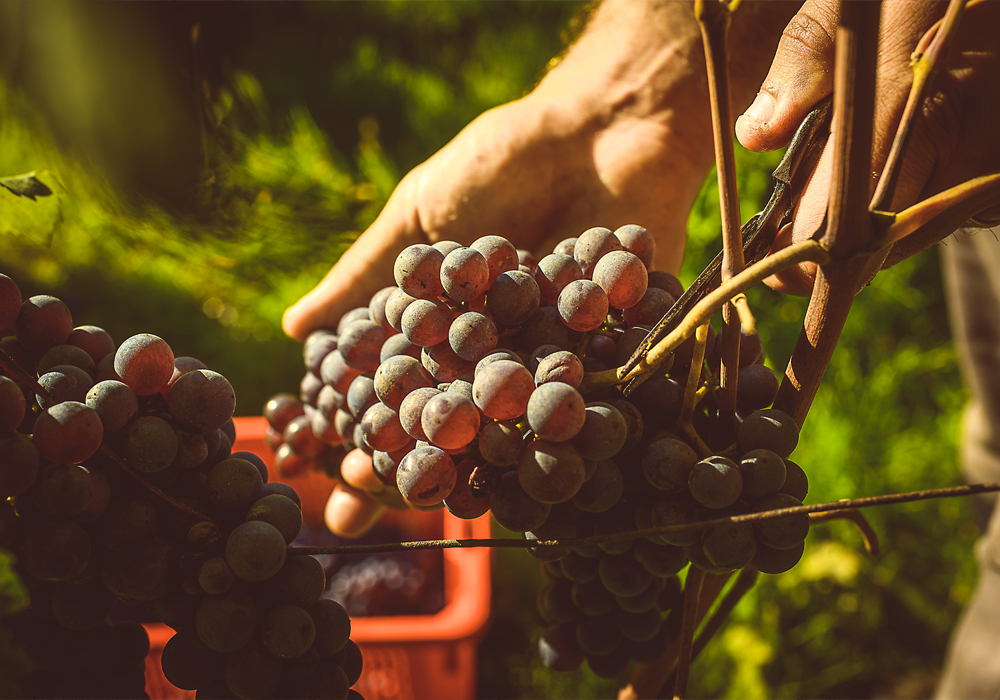
On these slopes, Nebbiolo reigns supreme — known in Valtellina as Chiavennasca.
Here, the grape encounters unique conditions and develops an expression deeply rooted in the mountains. From these carefully selected grapes, left to dry and concentrate, I am born: Sforzato di Valtellina DOCG.